What Is Considered a Plumbing Emergency? | Charleston Plumbing Services
Not sure if your plumbing problem is a real emergency? Learn what qualifies, what can wait, and when to call an emergency plumber in Charleston, WV — 24/7.
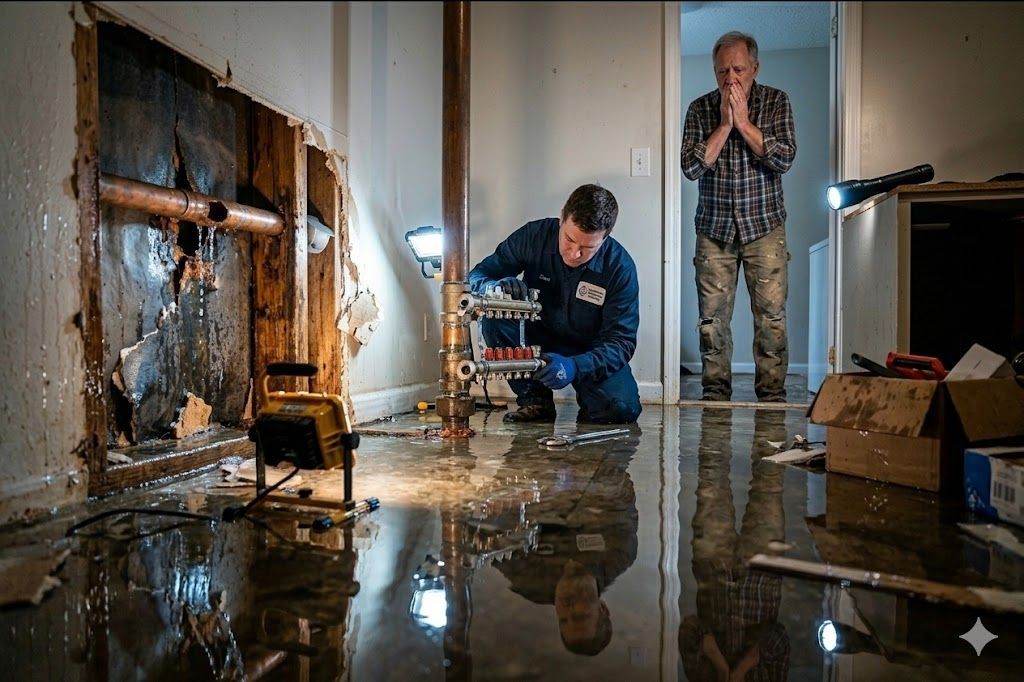
It's 11 o'clock on a Sunday night and water is dripping from your ceiling. Or maybe you just noticed your basement floor is wet and you have no idea why. Or you walked into your kitchen and something smells like rotten eggs near the stove. In moments like these, a lot of homeowners ask themselves the same question — is this serious enough to call someone right now, or can it wait until morning?
It's a fair question, and the honest answer is that it depends on what's happening. Some plumbing problems are urgent enough that every minute of delay increases the risk of serious damage to your home, your health, or your safety. Others are genuinely frustrating but stable enough to schedule for the next business day. Knowing the difference can save you money, protect your property, and in some cases keep your family safe.
This guide will walk you through exactly what qualifies as a true plumbing emergency, what can reasonably wait, and what to do in each situation — so that the next time something goes wrong at an inconvenient hour, you'll know exactly how to respond.
WHAT MAKES SOMETHING A PLUMBING EMERGENCY
A plumbing situation becomes a genuine emergency when one or more of the following is true: it is actively causing damage to your home, it poses a safety risk to the people inside, or it has made your home completely unusable. If any of those conditions apply, you should call an emergency plumber right away — regardless of the time, the day, or the weather outside.
The cost of waiting almost always exceeds the cost of a late-night service call. Water damage spreads quickly and silently, soaking into drywall, insulation, subfloors, and framing before it ever becomes visible on the surface. What looks like a small leak today can turn into a mold problem, a structural issue, or a complete floor replacement if left unaddressed overnight. Gas leaks carry obvious and immediate safety risks that go well beyond property damage. Sewage backups create health hazards that make portions of your home genuinely unsafe to occupy. These are not situations where a towel on the floor and a prayer are an appropriate response.
SITUATIONS THAT ARE ALWAYS AN EMERGENCY
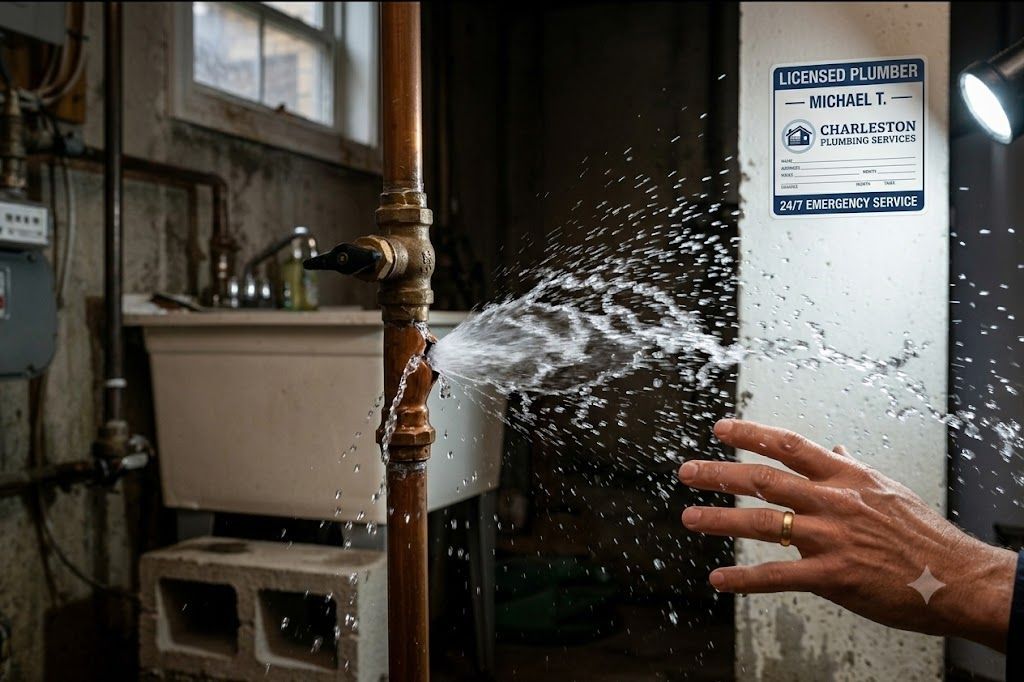
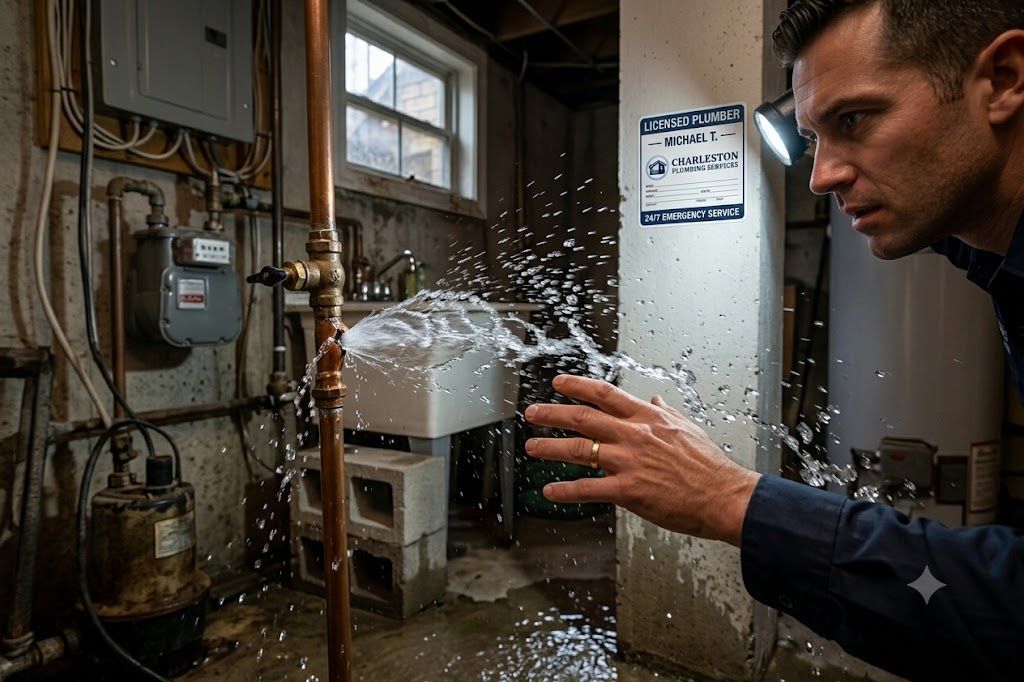
Burst or ruptured pipes. A burst pipe can release hundreds of gallons of water in a very short time. If you have a pipe that has burst — or you suspect one has because of sudden drops in water pressure, the sound of rushing water inside walls, or visible flooding — shut off your main water supply immediately and call an emergency plumber. The main shutoff valve is typically located near your water meter, in the basement, or in a utility closet. Turning it off stops the flow while help is on the way.
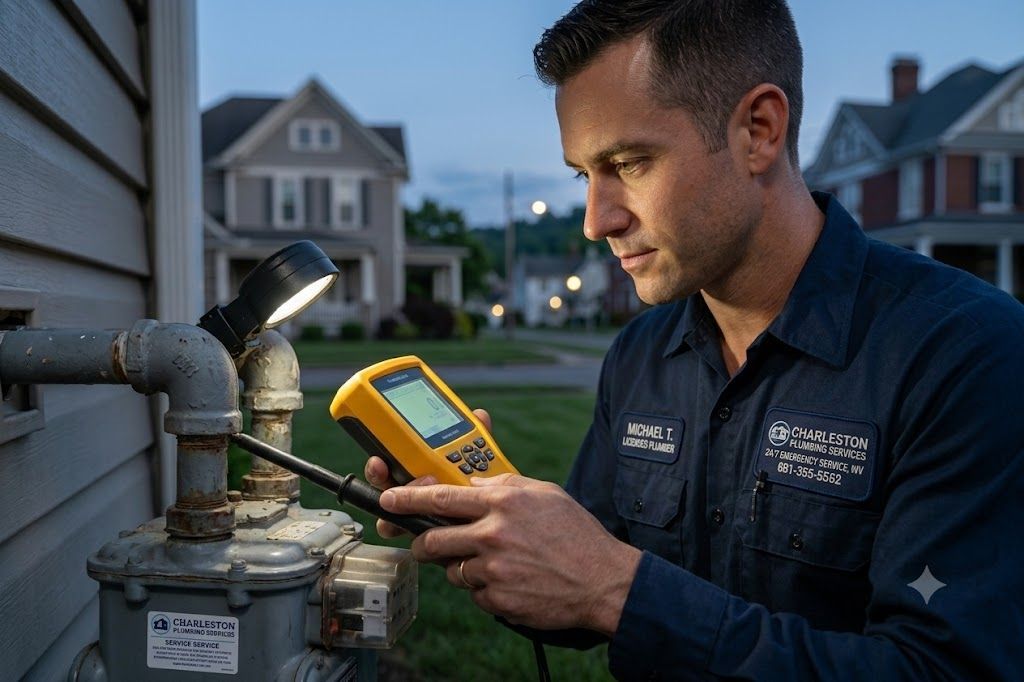
Gas leaks. If you smell something resembling rotten eggs anywhere in your home — near your stove, water heater, furnace, dryer, or fireplace — treat it as a gas leak until proven otherwise. Leave the building immediately. Do not turn any lights or switches on or off, do not use your phone until you are outside, and do not re-enter the home under any circumstances until a professional has confirmed it is safe. Call your gas company and an emergency plumber from outside. This is the one plumbing situation where there is absolutely no room for hesitation.
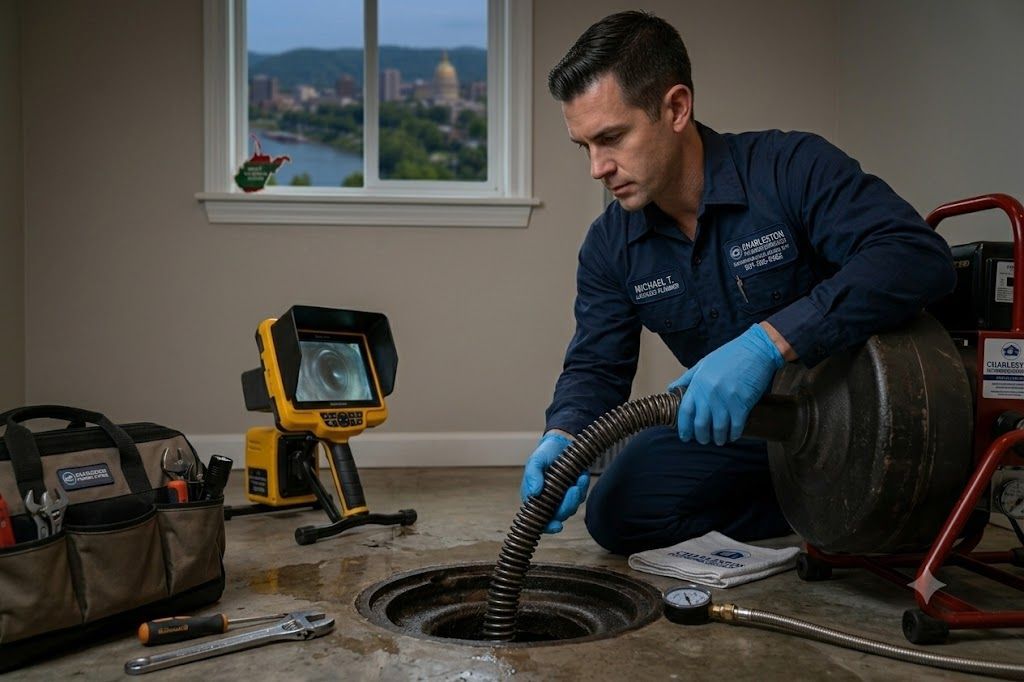
Sewage backup. If sewage is backing up into your tubs, toilets, or floor drains, you have a serious sewer line problem that needs immediate attention. Raw sewage contains bacteria and pathogens that are genuinely hazardous, and a sewer backup that affects multiple drains simultaneously is a sign that your main sewer line is blocked or damaged. This is not a situation to manage with a plunger and hope — it requires a licensed plumber with the right equipment.
Complete loss of water. If you suddenly have no water throughout your entire home and you haven't been notified of a municipal shutoff, you may have a broken water service line, a failed pressure tank, or a serious supply line issue. A home without running water is not functional, and the underlying cause needs to be diagnosed quickly before additional damage occurs.
Overflowing toilet with no backup option. A single overflowing toilet in a home with multiple bathrooms can usually wait until morning. A single overflowing toilet in a home with only one bathroom is a different story entirely — especially with young children, elderly family members, or anyone with medical needs in the household. Use your judgment, but lean toward calling if there is no reasonable alternative available.
Flooding from any source. Active water intrusion from a failed sump pump, a broken appliance supply line, a roof-related leak entering your plumbing fixtures, or any other source that is putting standing water on your floors needs to be addressed immediately. Standing water causes damage fast and creates slip hazards, electrical risks, and the conditions mold needs to take hold.
SITUATIONS THAT CAN USUALLY WAIT
Not every plumbing problem requires a midnight call. The following situations are genuinely inconvenient — and should absolutely be scheduled as soon as possible — but they generally do not pose an immediate risk of major damage or safety concern.
A slow drain in one sink or tub, as long as the water is still draining and there is no backup occurring elsewhere in the home, can typically wait until the next business day. A dripping faucet is wasteful and annoying but not an emergency — though the sooner it's fixed, the less water and money you waste. A running toilet is similar — schedule it soon, but it doesn't require a 2 a.m. call unless the water won't stop running and you cannot shut off the supply valve behind the toilet. A water heater that has stopped producing hot water is disruptive, but as long as there is no active leaking or flooding, it can usually be scheduled for the following morning. Low water pressure that developed gradually over time, rather than suddenly, is worth investigating but not typically urgent.
The key distinction in all of these cases is whether the situation is stable and contained. If a slow problem suddenly becomes an active one — a dripping pipe that starts flowing, a running toilet that begins to overflow, a water heater that starts leaking from the tank — escalate immediately and call for emergency service.
WHAT TO DO WHILE YOU WAIT FOR THE PLUMBER
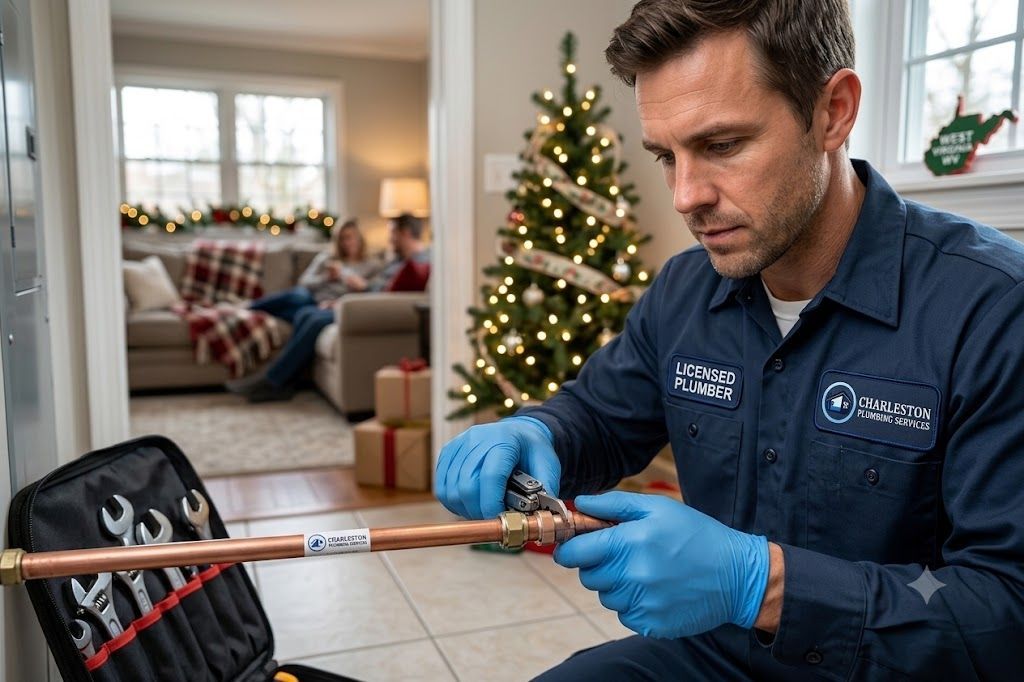
If you've determined that your situation is a genuine emergency and you've called for help, there are a few things you can do while the plumber is on the way to minimize damage. For any situation involving active water, locate and shut off the nearest supply valve — either the one directly behind the affected fixture or your home's main shutoff. Place towels, buckets, or plastic sheeting to contain water and protect flooring and belongings. Take photos of the damage as you find it for insurance purposes. If water is near any electrical panels, outlets, or appliances, do not enter that area and turn off the circuit breaker for that section of your home if you can do so safely from a dry location.
For gas leaks, the only appropriate action is to get everyone out of the building immediately and call from outside. Do not attempt to find or address the source of a gas leak yourself under any circumstances.
WHY RESPONSE TIME MATTERS IN AN EMERGENCY
In the Charleston, WV area, plumbing emergencies during West Virginia winters carry additional urgency. Burst pipes in the Kanawha Valley can occur with very little warning when temperatures drop, and the combination of older housing stock and aging pipe materials throughout the region means that freeze-related failures happen every year. A pipe that bursts inside a wall during a cold snap can cause tens of thousands of dollars in damage within hours if water is not stopped quickly and the affected areas are not dried out properly.
That's why having the number of a reliable 24/7 emergency plumber saved in your phone before something goes wrong is one of the smartest things a homeowner can do. When the emergency happens — and for most homeowners, at some point it will — you don't want to be searching for options at midnight while water is spreading across your floor.
Call Us Today
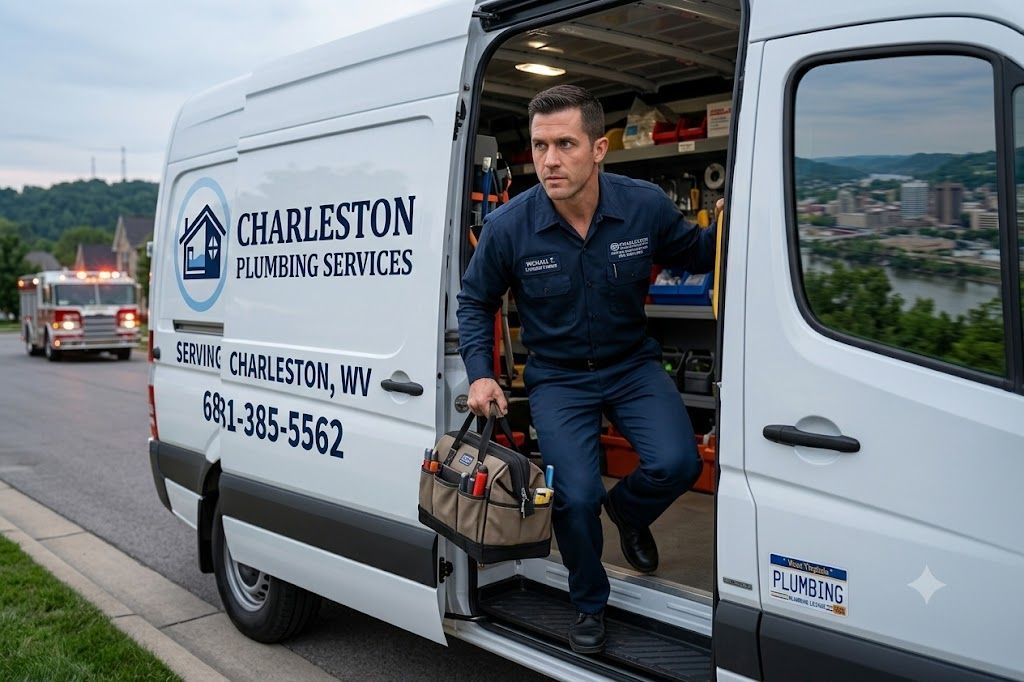
Charleston Plumbing Services operates a true 24/7 emergency line serving Charleston, WV and the entire Kanawha Valley — including South Charleston, Nitro, Hurricane, Teays Valley, Dunbar, St. Albans, Sissonville, Elkview, Barboursville, and Huntington. When you call us with an emergency, a real person answers and a licensed plumber gets dispatched fast. No voicemails, no callback windows, no after-hours runaround.
If you're in the middle of a plumbing emergency right now, call us immediately. If you're reading this to be prepared for the future, save our number — and rest easier knowing that when something goes wrong at an inconvenient hour, you already know exactly who to call.
Latest News From Charleston Plumbing Services